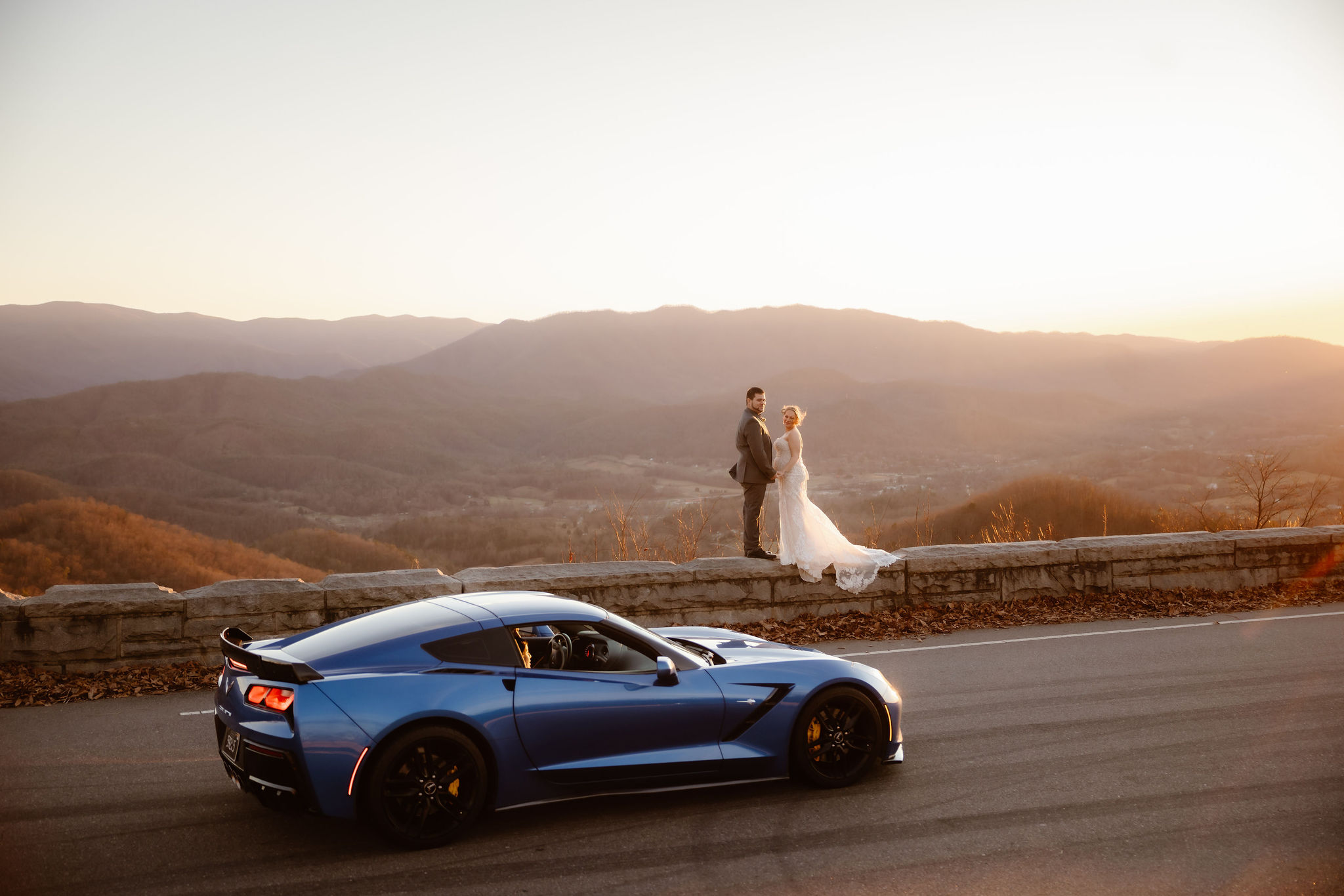
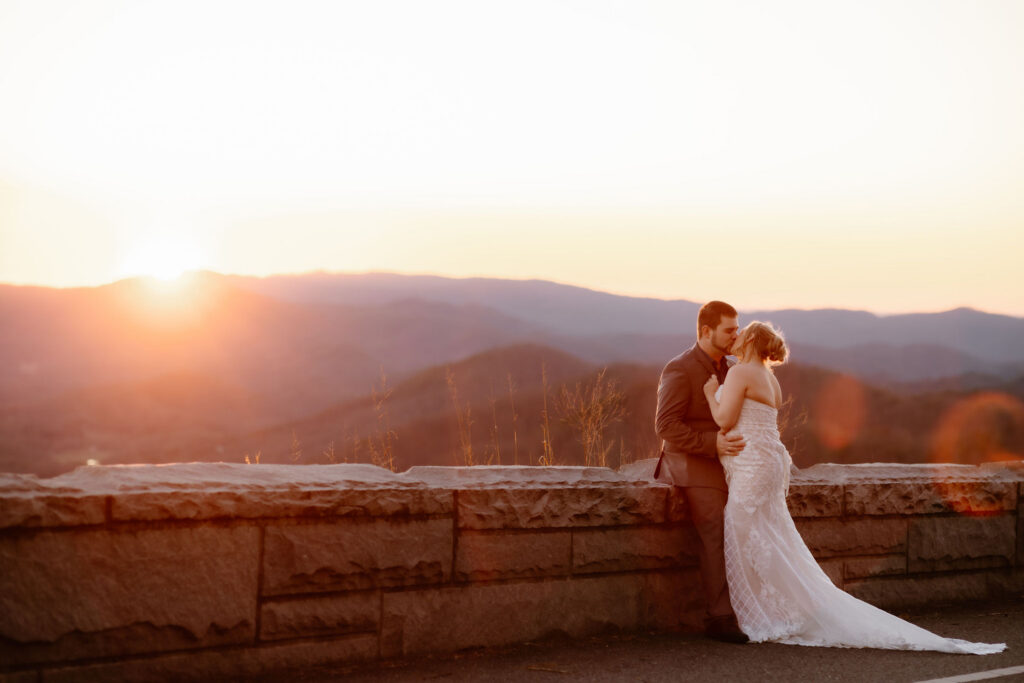
There’s something timeless about hearing traditional wedding vows during a ceremony. The words may be simple, but the meaning behind them carries generations of love, commitment, and partnership. Whether spoken inside a church, during an intimate cabin wedding, or exchanged privately in the Smoky Mountains at sunrise. Traditional vows have a way of grounding a wedding ceremony in emotion and connection. Even in the quietest moments, those words carry weight.
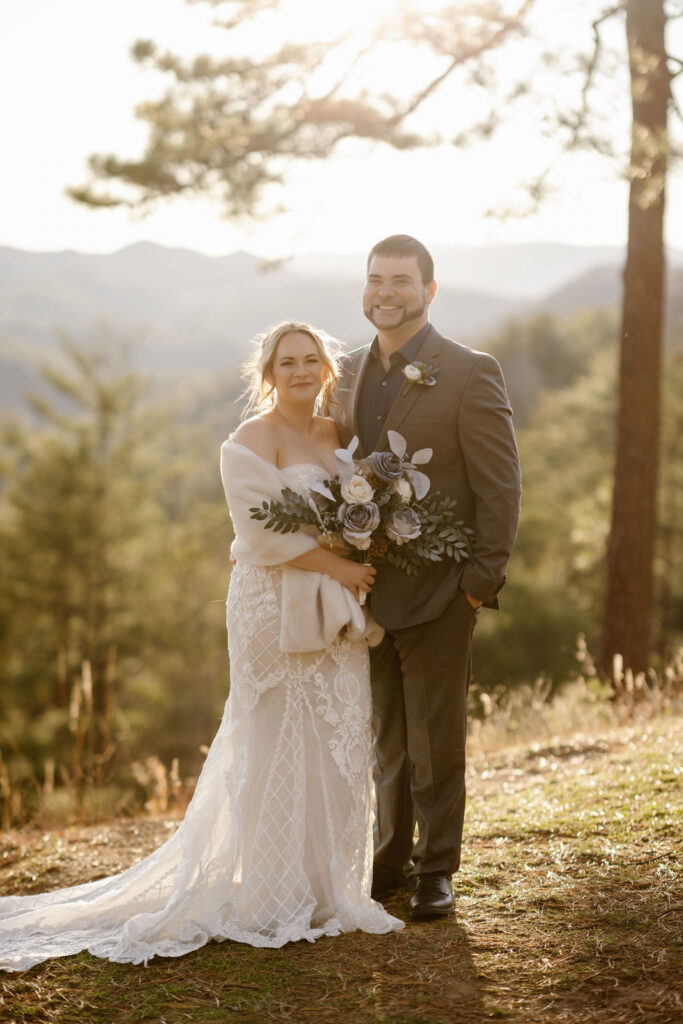
Do you have to use traditional wedding vows? Absolutely not! However, many couples still choose traditional wedding vows because they are classic, heartfelt, and deeply meaningful. Others choose to personalize them by adding private promises or blending them with modern wording that reflects their relationship more intimately.
No matter how you choose to exchange vows, your ceremony should be authentic to the connection you’ve built together. For couples searching for traditional wedding vows examples, classic ceremony wording, or inspiration for writing personal vows, this guide covers everything you need to know.
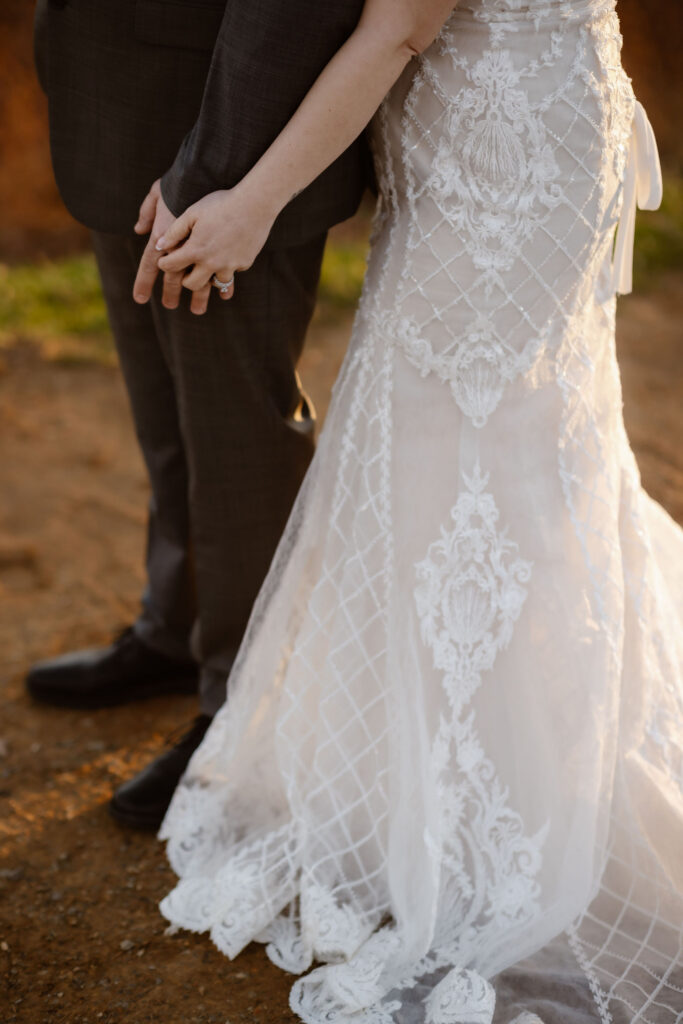
What Are Traditional Wedding Vows?
If you’ve ever attended a wedding ceremony, chances are you’ve heard some version of marriage vows before. Traditional vows are the classic promises couples exchange during their ceremony to symbolize lifelong commitment and partnership. While wording can vary depending on religion, culture, or preference, many traditional vows include familiar phrases like:
“To have and to hold, from this day forward…”
or
“For better or for worse, for richer or for poorer, in sickness and in health…”
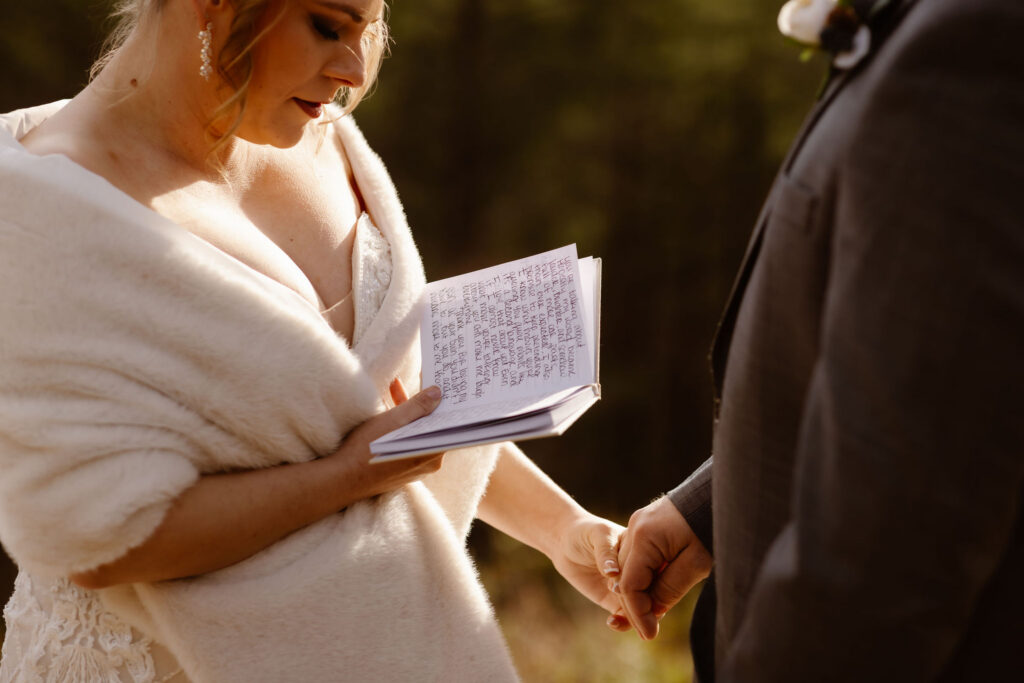
These promises have remained sincere for generations because they focus on enduring love, support, and commitment through every stage of life. Many couples still choose to use these classic lines today because:
- They feel timeless and emotional
- They remove pressure from writing vows from scratch
- They connect couples to family traditions
- They create a classic ceremony experience
- They allow the focus to stay on the moment itself
For intimate weddings and elopements especially, these customary vows can be incredibly powerful when spoken in a quiet setting.
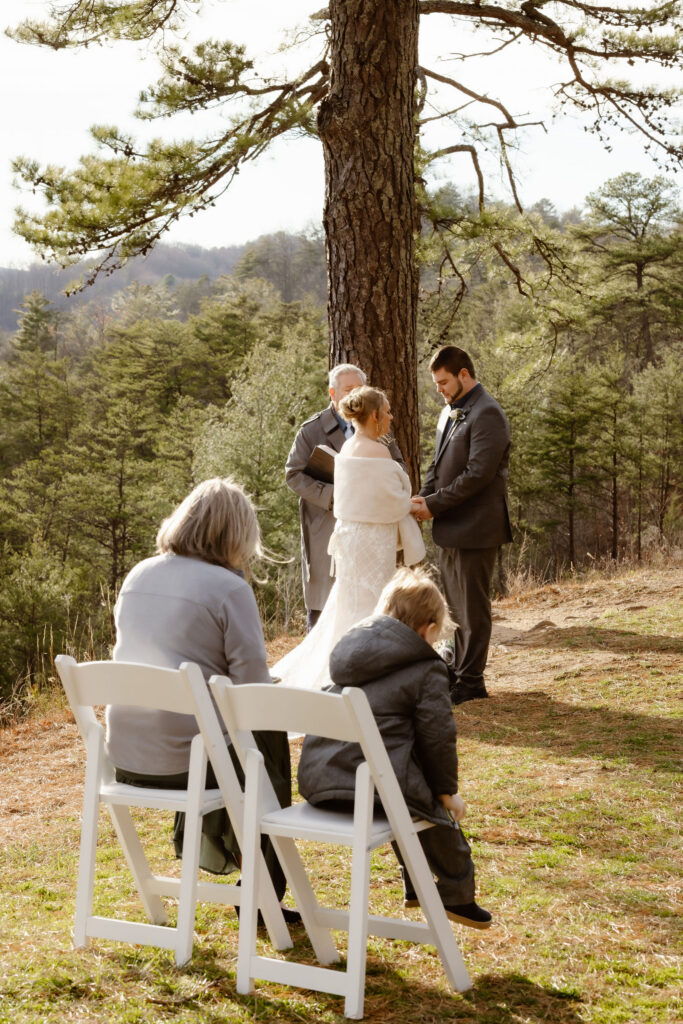
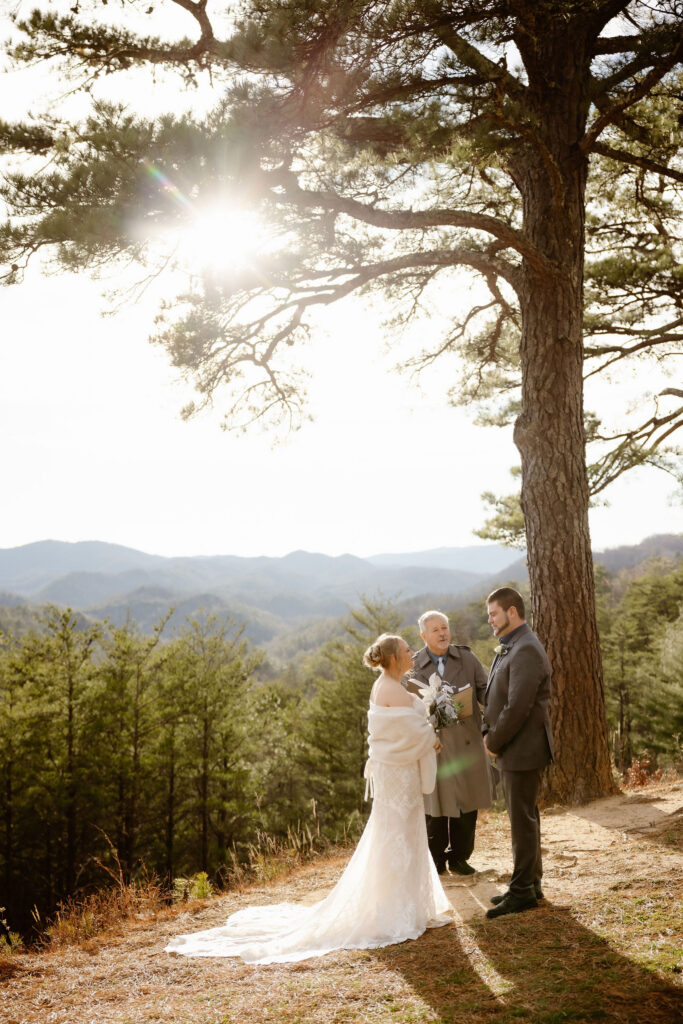
The Most Common Traditional Wedding Vows
Traditional vows can vary depending on the type of ceremony you’re planning, but these are some of the most common examples couples still use today.
Protestant Traditional Wedding Vows
“I, ___, take you, ___, to be my wedded wife/husband, to have and to hold from this day forward, for better or for worse, for richer or for poorer, in sickness and in health, to love and to cherish, until we are parted by death.”
This is one of the most recognizable examples of classic wedding vows and is still commonly used in many traditional ceremonies.
Catholic Traditional Wedding Vows
“I, ___, take you, ___, to be my wife/husband. I promise to be faithful to you in good times and in bad, in sickness and in health. I will love you and honor you all the days of my life.”
Catholic vows tend to carry a slightly more direct tone, while still emphasizing lifelong faithfulness and commitment.
Non-Religious Traditional Wedding Vows
Many couples today prefer traditional wording without religious references.
“I choose you to be my partner in life. I promise to support you, care for you, and stand beside you through all that life brings.”
These types of vows work beautifully for modern weddings, intimate ceremonies, and elopements.
Why Couples Still Choose Traditional Wedding Vows
Even with personalized vows becoming more popular, many couples are still drawn to conventional ceremony wording. One of the biggest reasons is simplicity and ease. Writing your own vows can be intimidating, especially if you’re worried about finding the “perfect” words. Traditional vows remove some of that pressure while still creating a deeply emotional moment during the ceremony. In addition, they tend to be grounding and focused on commitment instead of performance.
Can You Personalize Traditional Wedding Vows?
Absolutely. Many couples choose to combine traditional marriage vows with genuine promises or private vow exchanges.
Some couples:
- Exchange traditional vows during the ceremony
- Read letters privately afterward
- Add handwritten promises before or after classic vows
- Slightly modernize traditional wording
- Combine religious and non-religious elements
There’s no “right” way to exchange vows. The most beautiful ceremonies are usually the ones that honor the couple naturally instead of trying to follow a perfect formula. If you’re wondering how to write wedding vows while still keeping the connection to the past, combining traditional and personal wording often creates a beautiful balance between classic and authentic.
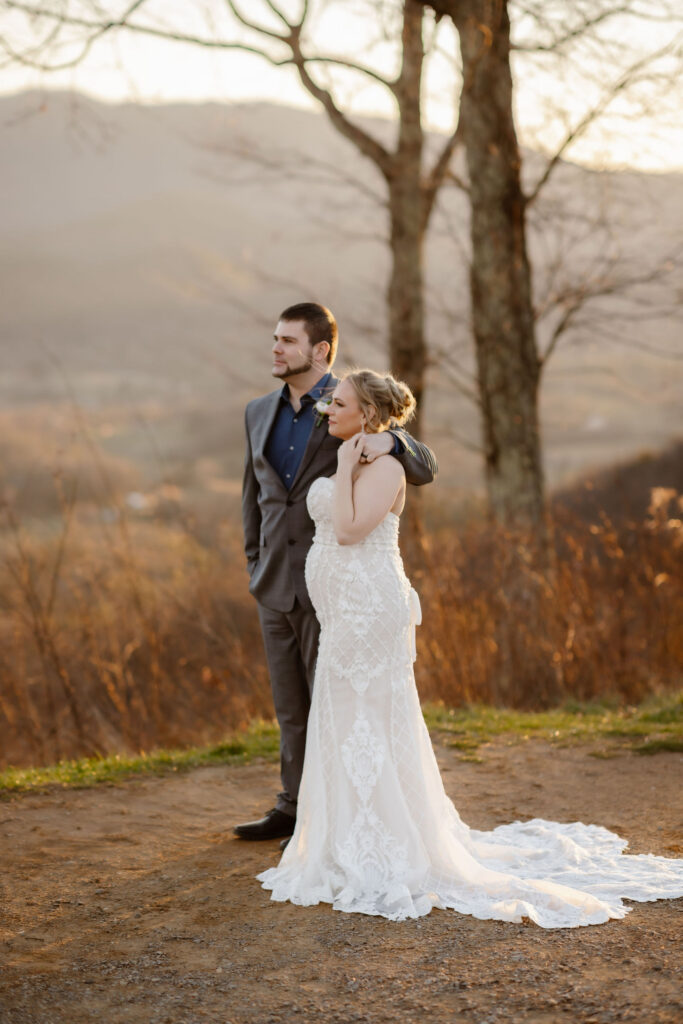
Wedding Vow Examples
If you’re looking for wedding vows examples, here are a few styles couples commonly use during ceremonies.
Short Wedding Vows
“I take you to be my partner for life. I promise to love, support, and stand beside you always.”
Simplifying your vows can be a beautiful thing. Keeping promises vague or overly complicated can sometimes make them feel less heartfelt, while simple and honest words often carry the most meaning. The most impactful vows usually aren’t the longest or most poetic. They’re the ones that genuinely represent your partnership and the commitment you’re making to each other.
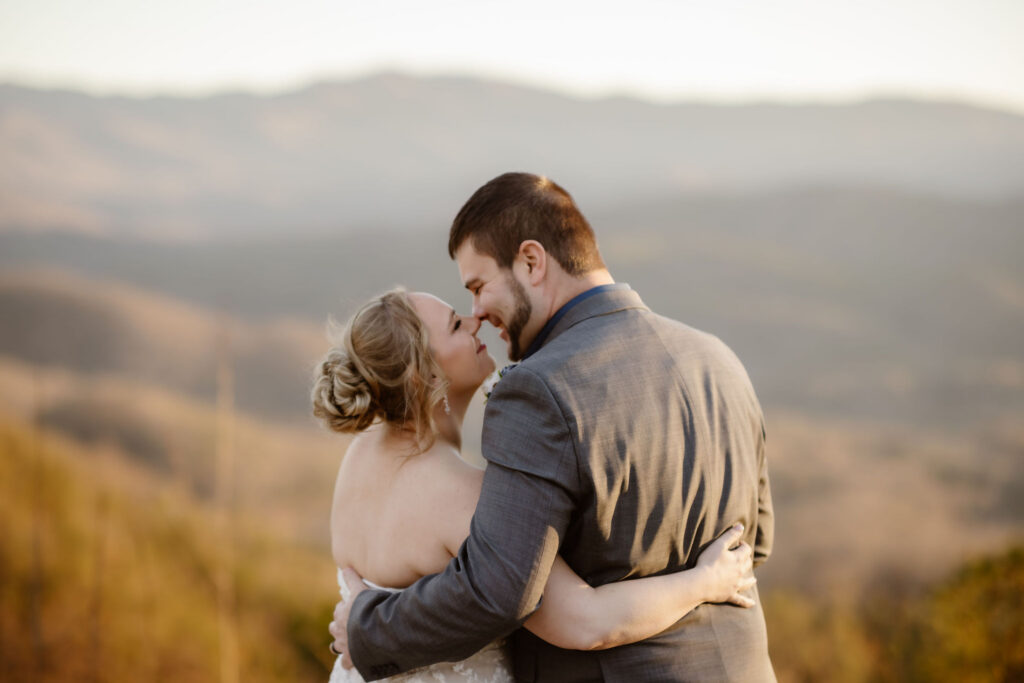
Romantic Wedding Vows
“I promise to walk beside you through every season of life, to support you, encourage you, and love you faithfully for all my days.”
Speaking from the heart will never go out of style. Sometimes the simplest promises are the most unforgettable. And when you add some poetic flair or memorable touches, your vows become even more memorable. Not because they sound perfect, but because they are genuine to your commitment and the life you’re building together.
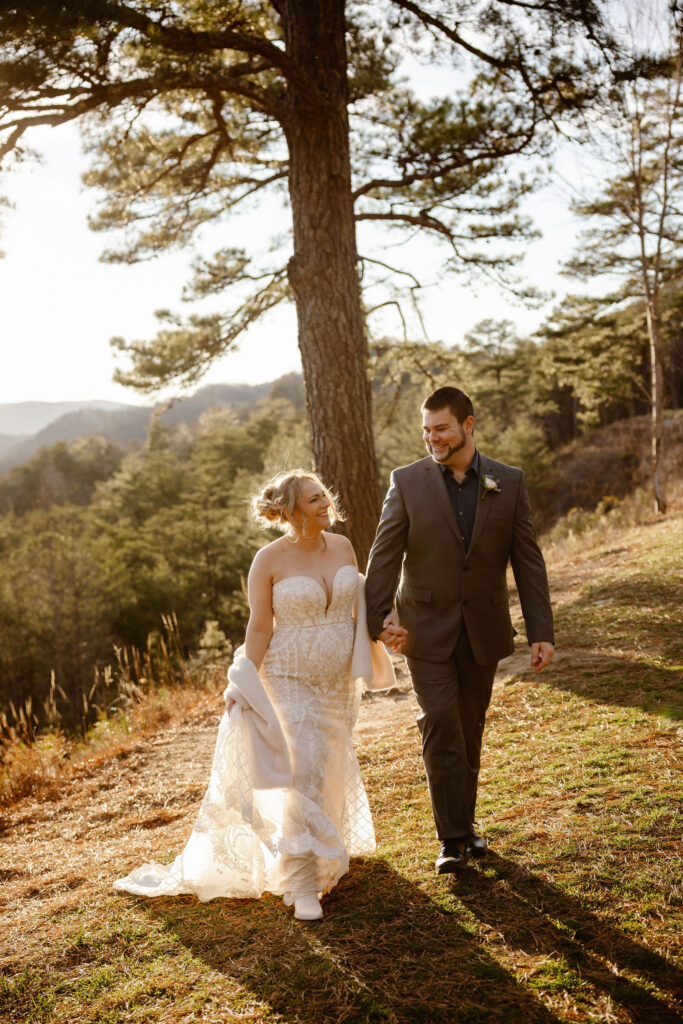
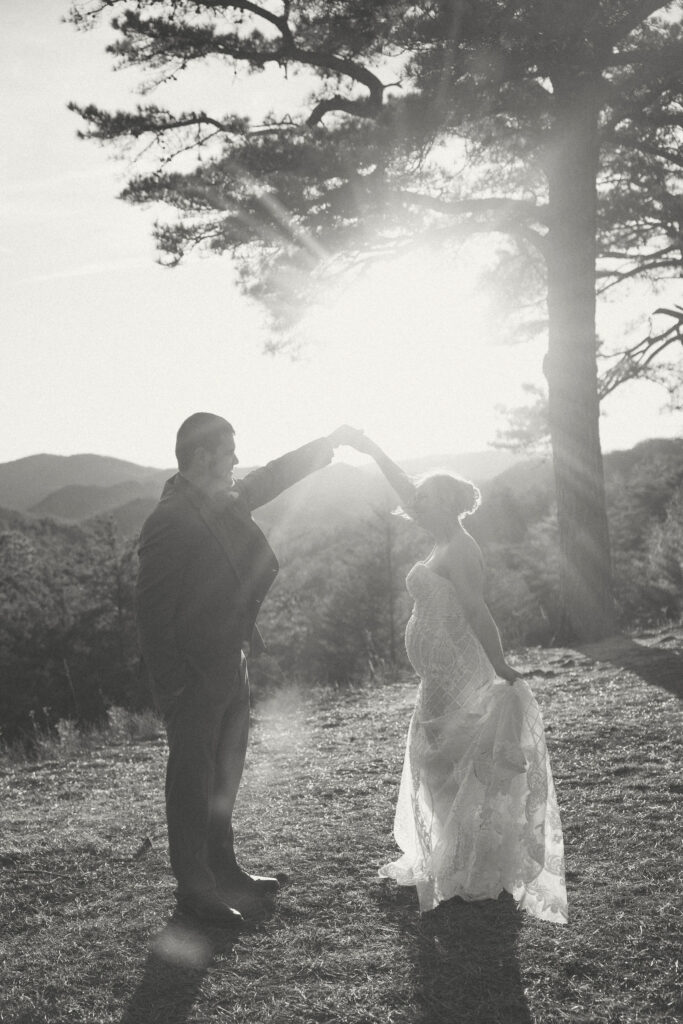
Modern Wedding Vows
“I choose you as my best friend and partner. I promise to grow with you, laugh with you, and stand by your side through whatever life brings.”
Many couples today are drawn to modern wedding vows that are more genuine and reflective of their relationship. Modern vows often sound a little more relaxed and conversational while still carrying deep meaning and commitment.
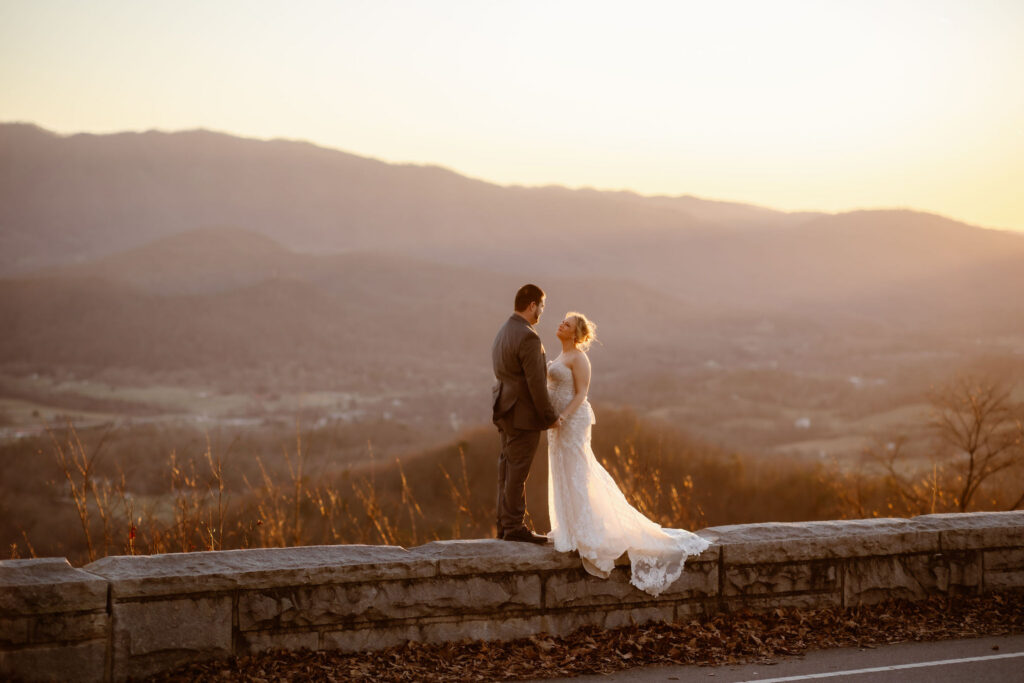
Religious Wedding Vows
“Before God and our loved ones, I promise to love you faithfully, honor you fully, and cherish you all the days of my life.”
For some religions your wedding ceremony vows will be a script that is part of the religious ceremony. While other churches allow and encourage you to write your own. Either way, your vows should express the commitment, love, and partnership at the heart of your marriage.
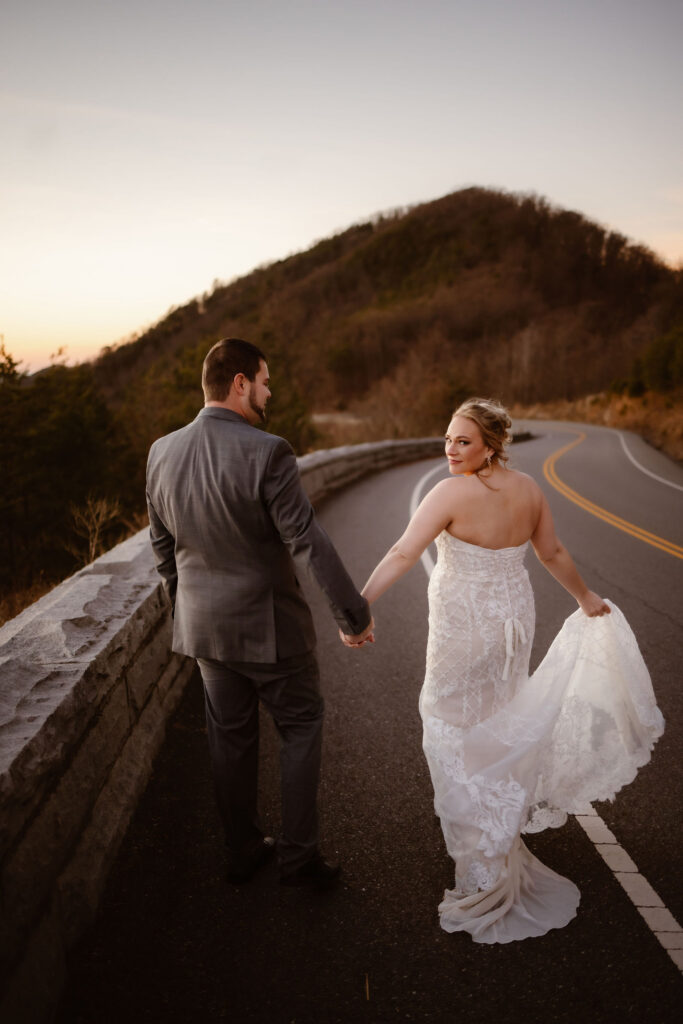
Tips for Reading Wedding Vows During Your Ceremony
Even the most beautifully written vows can feel emotional once the ceremony actually begins. A few things can help make the moment more relaxed and natural:
Practice Reading Your Vows Out Loud
Reading vows aloud beforehand helps with pacing and confidence. In addition, it allows you to reflect over your words and commitment more before the big day.
Speak Slowly
Most couples naturally speed up when emotions take over. Slowing down helps you stay present in the moment.
Focus on Each Other
Instead of worrying about guests watching, focus on your partner and the words you’re sharing together. If this is a struggle for you, then read your vows together in private first.
Don’t Worry About Crying
Emotion is part of the experience. Some of the most beautiful ceremonies include laughter, tears, and imperfect moments.
Consider Private Vows
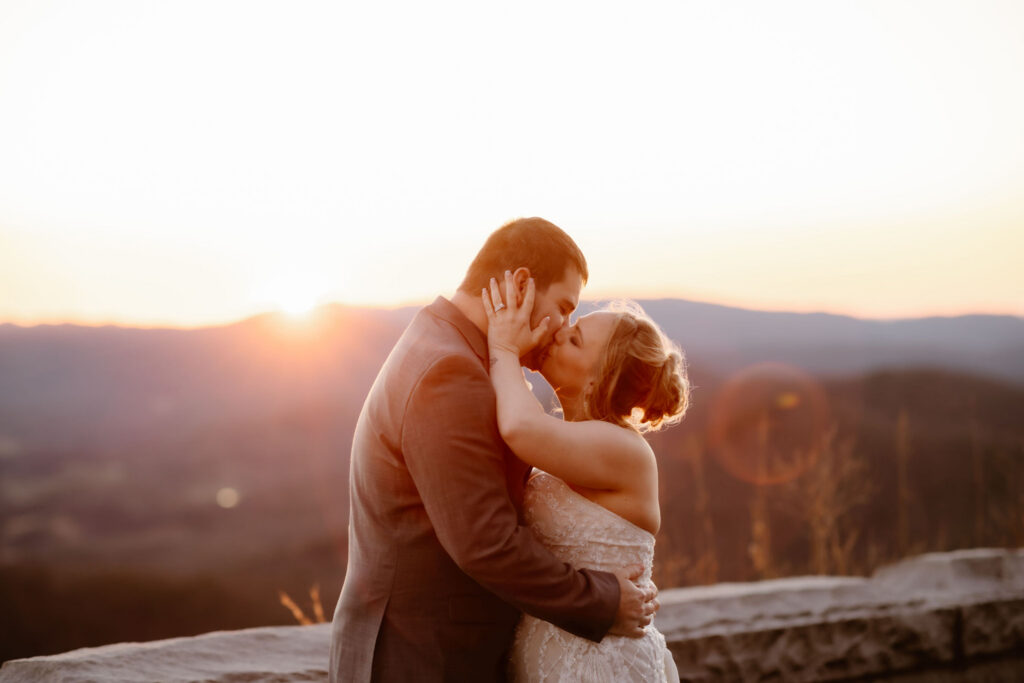
Many couples planning intimate weddings or elopements choose to exchange vows privately before the ceremony. This can create a more relaxed and emotional experience without the pressure of an audience.
For outdoor ceremonies in the Smoky Mountains, private vow exchanges often offer the most memorable parts of the day.
Frequently Asked Questions About Traditional Wedding Vows
Do you have to use traditional wedding vows?
Not at all. Couples can choose traditional vows, write their own, or combine both styles together.
Can you write your own wedding vows?
Yes. Many couples personalize their ceremony by writing private or custom vows that capture their marriage more authentically.
Are traditional wedding vows religious?
Some are religious, while others are completely non-religious. Couples can choose wording that fits their ceremony style and beliefs.
How long should wedding vows be?
Most wedding vows are around one to two minutes long. Shorter vows often bring a more natural and emotional vibe during the ceremony.
Can you combine traditional and personal vows?
Absolutely. Many couples use traditional vows during the ceremony and exchange personal promises privately afterward.
Traditional Wedding Vows Wrapped!
Whether you choose classic wedding vows, individual promises, or a combination of both, your ceremony should speak to
the relationship you’ve built together. Because at the end of the day, the most important part of your vows isn’t whether they sound perfect. It’s that they feel true to the commitment you’re making together.
Ready to plan your Gatlinburg elopement? Reach out and let’s start planning!




Comments +